What Is Chinese Jade? A Complete Beginner’s Guide
Chinese jade has captivated civilizations for over 7,000 years. From ancient ritual vessels to modern pendant jewelry, jade holds a unique place in Chinese culture — symbolizing virtue, protection, and spiritual harmony. But what exactly is Chinese jade, and why does it matter so much?
In this complete guide, you’ll learn everything you need to know about Chinese jade: what it is, the different types, how it’s been used throughout history, what makes it valuable, and how to start exploring this timeless gemstone.
What Is Chinese Jade?
In China, the term “jade” (玉, yù) historically refers to any fine stone that is hard, smooth, and lustrous. However, in the modern gemological sense, true jade refers to two distinct minerals:
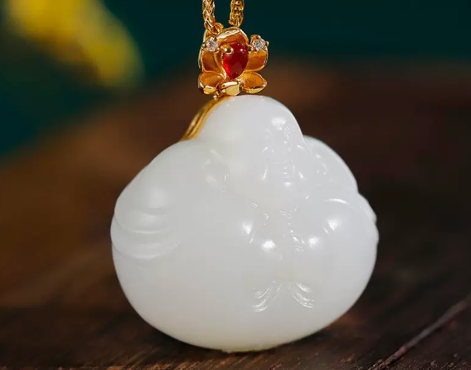
- Nephrite (软玉, ruǎn yù) — The original Chinese jade. A silicate of calcium and magnesium, nephrite ranges from creamy white to deep green. It was the primary jade used in ancient China for thousands of years.
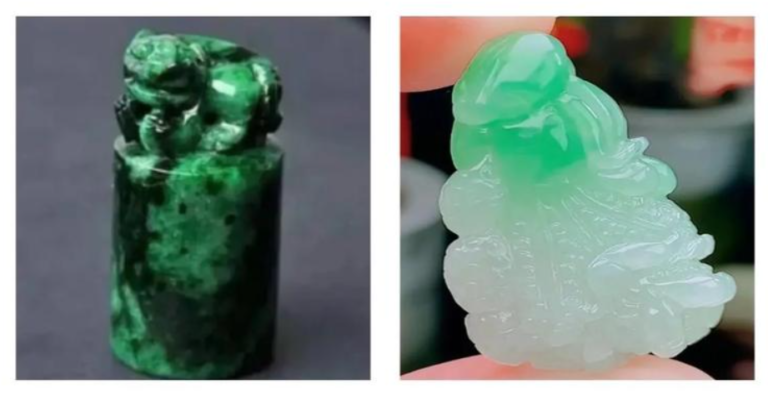
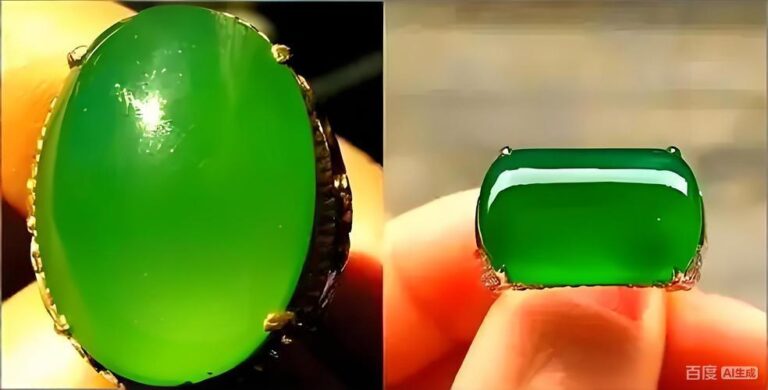
- Jadeite (硬玉, yìng yù) — A silicate of sodium and aluminum, jadeite was introduced to China from Myanmar (Burma) around the 18th century. The most valuable form, known as “Imperial Jade,” is an intense translucent green and commands extraordinary prices.
Beyond these two, China has its own celebrated regional jade varieties — most notably Dushan Jade (独山玉) from Nanyang, Henan Province, one of the four famous jades of China.
The Four Famous Jades of China
Chinese tradition recognizes four premiere jade varieties, often called the “Four Famous Jades” (四大名玉):
| Jade Type | Origin | Key Characteristics |
|---|---|---|
| Hetian Jade (和田玉) | Xinjiang / Qinghai | Creamy white “mutton fat” jade; most prized for purity and softness |
| Dushan Jade (独山玉) | Nanyang, Henan | Multi-colored; used since Neolithic times; excellent for carvings |
| Xiuyan Jade (岫岩玉) | Liaoning Province | Translucent green; abundant and affordable; serpentine mineral |
| Lantian Jade (蓝田玉) | Shaanxi Province | Historical jade celebrated in classical poetry; blue-green hues |
A Brief History of Jade in China
The story of jade in China is inseparable from civilization itself. Here’s a quick overview of jade’s role through the ages:
Neolithic Period (7000–2000 BCE)
The earliest Chinese jade artifacts date back to the Neolithic Hongshan and Liangzhu cultures. Jade was shaped into ritual tools, animal figurines, and ceremonial objects. Even then, it was associated with spiritual power and social status.
Shang & Zhou Dynasties (1600–256 BCE)
Jade became deeply embedded in ritual practice. The Zhou dynasty codified jade’s symbolic meaning — six specific jade shapes represented heaven, earth, and the four cardinal directions. Nobles wore jade pendants as emblems of virtue.
Han Dynasty (206 BCE–220 CE)
Jade suits made of thousands of jade tiles sewn with gold wire were buried with royalty, believed to preserve the body after death. The Han period produced some of the finest jade carving in Chinese history.
Ming & Qing Dynasties (1368–1912)
Jadeite from Burma was introduced and quickly became prized by the imperial court. Empress Dowager Cixi famously adored jade — she was said to own over 3,000 jade pieces. Jade carving reached its artistic peak during this period.
Modern Times
Today, jade remains one of the most beloved gems in Chinese culture. It’s gifted at births, weddings, and milestones; worn as a protective talisman; and collected as fine art. Global demand continues to grow as interest in Chinese culture spreads worldwide.
What Does Jade Symbolize in Chinese Culture?
Confucius famously listed eleven virtues embodied by jade. Over centuries, Chinese culture has attributed the following meanings to jade:
- Virtue and moral integrity — Jade’s hardness and purity mirror a person of good character
- Protection — Jade pendants are worn to ward off negative energy and evil spirits
- Good luck and prosperity — Jade is believed to attract fortune and blessings
- Longevity and health — Wearing jade close to the body is thought to promote wellness
- Love and harmony — Jade is a common engagement and wedding gift
→ Explore jade meanings and symbols in depth →
Types of Chinese Jade Pendants
Jade pendants come in an enormous variety of shapes and carvings, each with its own meaning:
- Maitreya Buddha (弥勒佛) — Happiness and good fortune; one of the most popular designs
- Pixiu (貔貅) — Wealth attractor; the mythical creature is said to bring money but never let it leave
- Chinese Zodiac Animals — Personalized protection tied to birth year
- Guanyin (观音) — Compassion and protection; popular among women
- Fish (鱼) — Abundance and prosperity; “fish” sounds like “surplus” in Chinese
- Ruyi (如意) — Fulfillment of wishes; elegant and classic design
How to Start Your Jade Journey
Ready to explore Chinese jade? Here are the three best ways to get started:
- Learn to identify real jade — Before buying, understand how to tell authentic jade from glass and plastic imitations. → Read our full identification guide →
- Understand jade meanings — Choose a pendant design that resonates with what you want to attract into your life. → Explore jade meanings →
- Buy from trusted sources — Look for sellers who disclose the jade type, origin, and treatment status. → See our buying guide →
How Jade Is Mined and Sourced Today
The journey of a jade pendant begins far from any jewelry shop. Understanding how jade reaches the market helps you make more informed — and more ethical — purchasing decisions.
Jadeite is mined primarily in Myanmar’s Kachin State, where deposits produce roughly 70% of the world’s jadeite. The industry has faced scrutiny over environmental damage and labor practices, and some governments have restricted jadeite imports from Myanmar. When buying jadeite, ask about the stone’s provenance and look for sellers who are transparent about their supply chain.
Nephrite mining is more widely distributed. China’s Hetian region in Xinjiang produces the prized “mutton fat” white nephrite, while Canada, Russia, and New Zealand also have significant deposits. New Zealand’s greenstone (pounamu) nephrite is culturally protected and can only be worked by certified artisans.
Dushan jade is mined exclusively in Dushan, Nanyang, in Henan Province — a single mountain that has produced this distinctive multicolored jade for over 6,000 years. → Learn more about Dushan jade and its unique origins →
For buyers concerned about ethical sourcing, look for sellers who disclose mine origin, support fair-trade practices, and can trace their jade from mine to market.
Jade Colors and Their Value
Jade comes in far more colors than the classic green most people picture. Each color has its own symbolism, rarity, and price point:
- Imperial Green — The most valuable jade color; a vivid, translucent emerald green found only in top-grade jadeite. Prices can reach tens of thousands per carat.
- Apple Green — Bright, slightly yellowish green; popular for mid-range jadeite jewelry.
- White (Mutton Fat) — Creamy, pure white nephrite; the most prized nephrite variety, especially from Hetian. Symbolizes purity and virtue.
- Lavender — Soft purple jadeite; relatively rare and favored for feminine jewelry designs.
- Yellow and Golden — Associated with wealth and imperial authority; ranges from pale honey to deep amber.
- Black — Deep black jade, often nephrite; valued for protective symbolism and modern, bold designs.
- Red and Orange — Rarer colors often caused by natural iron oxidation; symbolize passion and vitality.
Color is the single biggest factor in jade valuation — more important than size or carving complexity. → Explore the full jade color meaning guide →
How Jade Is Mined and Sourced Today
The journey of a jade pendant begins far from any jewelry shop. Understanding how jade reaches the market helps you make more informed — and more ethical — purchasing decisions.
Jadeite is mined primarily in Myanmar’s Kachin State, where deposits produce roughly 70% of the world’s jadeite. The industry has faced scrutiny over environmental damage and labor practices, and some governments have restricted jadeite imports from Myanmar. When buying jadeite, ask about the stone’s provenance and look for sellers who are transparent about their supply chain.
Nephrite mining is more widely distributed. China’s Hetian region in Xinjiang produces the prized “mutton fat” white nephrite, while Canada, Russia, and New Zealand also have significant deposits. New Zealand’s greenstone (pounamu) nephrite is culturally protected and can only be worked by certified artisans.
Dushan jade is mined exclusively in Dushan, Nanyang, in Henan Province — a single mountain that has produced this distinctive multicolored jade for over 6,000 years. → Learn more about Dushan jade and its unique origins →
For buyers concerned about ethical sourcing, look for sellers who disclose mine origin, support fair-trade practices, and can trace their jade from mine to market.
Jade Colors and Their Value
Jade comes in far more colors than the classic green most people picture. Each color has its own symbolism, rarity, and price point:
- Imperial Green — The most valuable jade color; a vivid, translucent emerald green found only in top-grade jadeite. Prices can reach tens of thousands per carat.
- Apple Green — Bright, slightly yellowish green; popular for mid-range jadeite jewelry.
- White (Mutton Fat) — Creamy, pure white nephrite; the most prized nephrite variety, especially from Hetian. Symbolizes purity and virtue.
- Lavender — Soft purple jadeite; relatively rare and favored for feminine jewelry designs.
- Yellow and Golden — Associated with wealth and imperial authority; ranges from pale honey to deep amber.
- Black — Deep black jade, often nephrite; valued for protective symbolism and modern, bold designs.
- Red and Orange — Rarer colors often caused by natural iron oxidation; symbolize passion and vitality.
Color is the single biggest factor in jade valuation — more important than size or carving complexity. → Explore the full jade color meaning guide →
Frequently Asked Questions
Is Chinese jade the same as green jade?
Not exactly. “Green jade” usually refers to nephrite or jadeite with green coloring, but Chinese jade comes in many colors — white, lavender, yellow, red, and black are all common. The color depends on the jade type and mineral composition.
How much is Chinese jade worth?
Prices range enormously — from a few dollars for a small Xiuyan jade pendant to millions for top-grade Imperial jadeite. Dushan jade carvings typically range from $10 to several hundred dollars depending on size, carving complexity, and stone quality.
Does Chinese jade need special care?
Jade is relatively durable (nephrite scores 6–6.5 on the Mohs scale; jadeite scores 6.5–7) but can chip if dropped. Clean with a soft damp cloth — avoid ultrasonic cleaners, harsh chemicals, and extreme temperature changes.
Is jade only from China?
No. Jadeite is primarily mined in Myanmar, and nephrite deposits exist in Canada, Russia, New Zealand, and Taiwan, China. However, Chinese jade culture and craftsmanship are the world’s oldest and most developed.
Can jade change color over time?
Yes, subtly. Nephrite can develop a richer, deeper patina with years of wear as it absorbs natural skin oils. This is considered desirable — a sign that the jade has “bonded” with its wearer. However, jadeite that suddenly changes color dramatically may have been dyed (Grade C), as artificial coloring can fade with exposure to sunlight and body chemistry.
What’s the difference between “old jade” and “new jade”?
In the jade market, “old jade” (老玉) typically refers to antique pieces with historical provenance — often nephrite from the Qing dynasty or earlier. “Old mine jade” (老坑) refers to jadeite from established, depleted mines known for producing high-quality material. “New jade” simply means recently mined and carved. Neither term guarantees quality on its own — always evaluate the stone itself.
Can jade change color over time?
Yes, subtly. Nephrite can develop a richer, deeper patina with years of wear as it absorbs natural skin oils. This is considered desirable — a sign that the jade has “bonded” with its wearer. However, jadeite that suddenly changes color dramatically may have been dyed (Grade C), as artificial coloring can fade with exposure to sunlight and body chemistry.
What’s the difference between “old jade” and “new jade”?
In the jade market, “old jade” (老玉) typically refers to antique pieces with historical provenance — often nephrite from the Qing dynasty or earlier. “Old mine jade” (老坑) refers to jadeite from established, depleted mines known for producing high-quality material. “New jade” simply means recently mined and carved. Neither term guarantees quality on its own — always evaluate the stone itself.
The Bottom Line
Chinese jade is much more than a pretty stone. It’s a living cultural tradition stretching back 7,000 years — a symbol of virtue, beauty, and connection to something greater. Whether you’re drawn to jade’s aesthetic beauty, its cultural symbolism, or its reputed spiritual properties, there’s a world of discovery waiting.
Start by exploring the resources on JadeBasics — your guide to everything jade. 🌿