Dushan Jade: The Famous Jade of Nanyang, China
When people talk about Chinese jade, they usually mean nephrite from Xinjiang or jadeite from Myanmar. But there’s a third jade variety that’s been treasured in China for over 6,000 years — Dushan jade (独山玉), the native jade of Nanyang, Henan province.
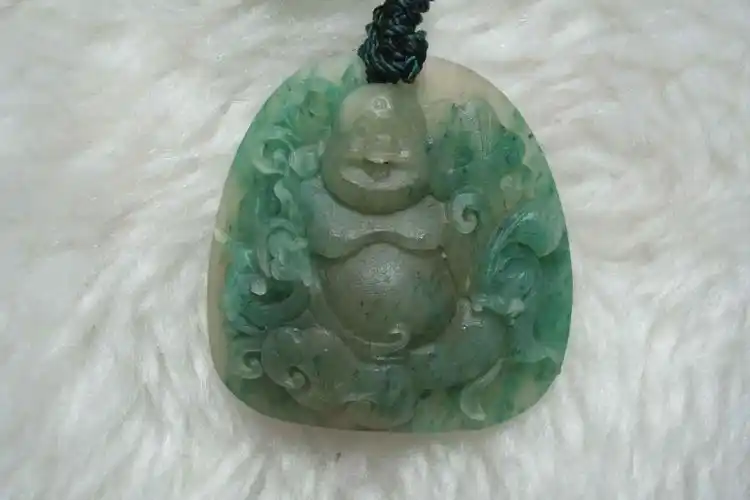
If you’ve ever visited a traditional Chinese jade market or browsed authentic jade carvings online, you may have seen multi-colored pendants with blends of green, white, and purple — those are very likely Dushan jade. In this guide, you’ll learn everything about this unique regional jade: its history, what makes it special, how it compares to nephrite and jadeite, and whether you should add it to your collection.
The History of Dushan Jade: 6,000 Years of Chinese Heritage
Dushan jade isn’t a newcomer — it’s one of the oldest ornamental stones in human civilization. Archaeological excavations at the Huangshan site near Nanyang have uncovered Dushan jade artifacts dating to the Yangshao culture (5,000–3,000 BCE), making it among the earliest jade-working traditions in China.
During the Shang Dynasty (1600–1046 BCE), Dushan jade was used for ceremonial vessels and royal ornaments. By the Han Dynasty (206 BCE–220 CE), Nanyang had become a major jade carving center, with craftsmen producing everything from burial suits to decorative pendants.
The name “Dushan” (独山) literally means “Lone Mountain” — a single hill located about 8 kilometers northeast of Nanyang city center, where the stone has been quarried for millennia. This is the only known source of Dushan jade in the world.
Today, Dushan jade is classified as one of — read our beginner’s guide to Chinese jade for the full story on all four varieties. China’s “Four Famous Jades” (四大名玉), alongside Hetian (nephrite) from Xinjiang, Xiuyan jade from Liaoning, and Lantian jade from Shaanxi.
Where Does Dushan Jade Come From?
Dushan jade comes from a single source: Dushan Mountain (独山) in Nanyang, Henan province, central China. Unlike nephrite and jadeite deposits that exist in multiple locations worldwide, true Dushan jade can only be found here.
Key facts about the origin:
- Location: Nanyang city, southwestern Henan province, central China
- Mine type: Single-mountain deposit, quarried since the Neolithic period
- Geological age: Formed approximately 400–500 million years ago
- Deposit size: Relatively small and finite — supply is limited
- Production status: Still actively quarried, but high-quality raw material is increasingly scarce
The Nanyang region is also famous for its jade carving industry. With thousands of years of continuous craftsmanship tradition, Nanyang jade carvers are among the most skilled in China, known for intricate detail work and creative use of Dushan jade’s natural multi-color patterns.
What Makes Dushan Jade Unique?
It’s Not Nephrite or Jadeite — It’s Its Own Thing
The most distinctive feature of Dushan jade is its mineral composition. Unlike nephrite (a calcium magnesium silicate) and jadeite (a sodium aluminum silicate), Dushan jade is primarily composed of zoisite — a calcium aluminum silicate mineral. It also contains epidote, feldspar, and other trace minerals that create its signature multi-colored appearance.
Think of it this way:
- Nephrite = one main mineral type (tremolite-actinolite), fibrous structure
- Jadeite = one main mineral type (jadeite pyroxene), granular structure
- Dushan jade = multiple minerals blended together, creating natural color bands and patterns
The Multi-Color Phenomenon
Dushan jade is famous for its polychromatic character — a single piece often displays two, three, or even five different colors naturally blended together:
- Green — from chromium and epidote content
- White / cream — from pure zoisite with minimal trace elements
- Purple / lavender — from manganese traces
- Yellow / brown — from iron oxide staining
- Black — from high concentrations of dark minerals
- Blue-green — rare, highly prized
Skilled carvers often use these natural color transitions to create dramatic effects — carving a green dragon on a white background, or a purple flower emerging from cream-colored stone. This color versatility is something nephrite and jadeite cannot naturally offer.
Dushan Jade Colors and Their Meanings
Because Dushan jade naturally contains multiple colors, different color combinations carry different meanings in Chinese culture:
| Color Combination | Meaning | Popular Carving Themes |
|---|---|---|
| White + Green | Purity + vitality | Lotus flowers, bamboo, koi fish |
| Green + Purple | “Spring brings wealth” (春带彩) | Peonies, butterflies, auspicious symbols |
| White + Purple | Spirituality + wisdom | Guanyin (Buddha of compassion), meditation scenes |
| Three or more colors | “Fu Lu Shou” (福禄寿) — fortune, prosperity, longevity | Complex landscape carvings, mythical creatures |
| Blue-green (rare) | Heavenly blessing, rare fortune | Dragons, phoenix, celestial scenes |
The most desirable Dushan jade pieces are those where the carver has cleverly worked with the stone’s natural color distribution to tell a visual story. This makes each piece genuinely one-of-a-kind.
Dushan Jade vs. Nephrite vs. Jadeite: A Comparison
| Property | Dushan Jade | Nephrite (Hetian) | Jadeite (Burmese) |
|---|---|---|---|
| Mineral | Zoisite ± epidote, feldspar | Tremolite-actinolite | Jadeite pyroxene |
| Hardness (Mohs) | 6.0–6.5 | 6.0–6.5 | 6.5–7.0 |
| Density (g/cm³) | 2.7–3.1 | 2.9–3.1 | 3.2–3.4 |
| Colors | Multi-color: green, white, purple, yellow, blue-green, black | White, green, brown, black | Green, white, lavender, yellow, red, black |
| Color pattern | Natural multi-color bands, each piece unique | Usually uniform or gradual gradation | Can be uniform or mottled |
| Source | Nanyang, Henan, China (single source) | China, Canada, Russia, New Zealand | Myanmar (Burma), Guatemala, Japan |
| Historical use | 6,000+ years, local Chinese tradition | 8,000+ years, imperial Chinese jade | ~500 years (late Ming), Qing imperial favorite |
| Price range | Low to moderate (accessible) | Moderate to high | Moderate to extremely high |
If you’re interested in how nephrite and jadeite compare in more detail, check out our Jade vs Jadeite complete comparison guide →
How to Identify Authentic Dushan Jade
Dushan jade has several tell-tale characteristics that distinguish it from imitations and from other jade varieties:
1. Look for Natural Multi-Color Bands
The most reliable sign of genuine Dushan jade is natural, unforced color transitions. In real Dushan jade, colors blend gradually — green bleeds into white, white fades into purple. If the color boundaries are sharp and crisp, like paint lines, it’s likely dyed or imitation stone.
2. Check the Grain Structure
Under magnification, Dushan jade shows a medium-grained crystalline texture — not as fibrous as nephrite, not as granular as jadeite. It has a distinctive “sugary” appearance when examined closely. Glass imitations will look perfectly smooth with no visible grain at all.
3. Feel the Weight and Temperature
Like all genuine jade varieties, Dushan jade feels cool to the touch and is noticeably heavier than glass or plastic of the same size. Use the temperature test — real jade stays cool longer than its imitations.
4. Source Verification
Since Dushan jade comes from a single source, ask the seller where the stone was quarried. Knowledgeable sellers should be able to identify the piece as coming from Nanyang, Henan. If they can’t name the origin, be cautious.
Is Dushan Jade Valuable?
Compared to high-grade Burmese jadeite (which can sell for millions of dollars per piece), Dushan jade is accessible and affordable. This makes it an excellent entry point for jade collectors and a practical choice for everyday pendants and carvings.
Price factors for Dushan jade:
- Color combination: Pieces with three or more harmonious colors command higher prices
- Rare colors: Blue-green and vibrant purple are the most valuable
- Carving quality: Nanyang master carvers produce museum-grade work that significantly increases value
- Size: Large, flawless raw pieces are increasingly rare
- Transparency: Semi-translucent pieces are prized over fully opaque ones
While you won’t see Dushan jade at Sotheby’s auction for seven-figure sums, a well-carved, multi-colored piece from a skilled Nanyang artisan can be worth several thousand dollars — and its cultural and historical significance adds value that goes beyond price tags.
Frequently Asked Questions
Is Dushan jade “real” jade?
In Chinese cultural tradition, yes — absolutely. Dushan jade (独山玉) has been classified as a genuine jade variety for thousands of years. However, by Western gemological standards (which define jade strictly as nephrite or jadeite), Dushan jade is technically a different mineral (zoisite rock). Think of it as a “cultural jade” — real in every meaningful sense, just belonging to a distinct mineral family.
Can Dushan jade be worn every day?
Yes. With a hardness of 6.0–6.5 on the Mohs scale, Dushan jade is durable enough for daily wear as a pendant, bracelet, or ring. Avoid exposing it to harsh chemicals, ultrasonic cleaners, or extreme temperature changes, as with any natural stone.
How do I clean and care for Dushan jade?
Clean with lukewarm water and a soft cloth. Avoid chemical cleaners, steam cleaning, and ultrasonic machines. Store separately from harder gemstones (diamonds, sapphires) to prevent scratching. Occasional wear actually benefits jade — the natural oils from skin contact help maintain its luster.
Where can I buy authentic Dushan jade?
The best source is directly from Nanyang-based jade carvers and merchants. Online, look for sellers who can specify the jade type, origin, and provide detailed photos showing the natural color transitions. Always verify with the identification tests above. → Learn how to verify jade authenticity →
Is Dushan jade a good investment?
As the mine’s high-quality raw material becomes scarcer, well-carved Dushan jade pieces are likely to appreciate in value. However, buy Dushan jade because you appreciate its beauty, history, and craftsmanship — not as a speculative investment. For investment-grade jade, high-quality Burmese jadeite remains the primary market.
Should You Add Dushan Jade to Your Collection?
Dushan jade offers something neither nephrite nor jadeite can: natural multi-color beauty at an accessible price. Each piece is one of a kind — the color pattern in your pendant literally cannot be reproduced. It connects you to 6,000 years of Chinese jade carving tradition, carries cultural meanings tied to its colors, and comes from a single mountain in central China that has been treasured since the Stone Age.
If you’re building a jade collection or looking for a meaningful, authentic Chinese jade pendant, Dushan jade deserves your attention.
→ Explore our complete Chinese Jade Guide →
→
Curious about the metaphysical side of jade? Explore jade healing properties and what the stone can do for you →