Jade Color Meaning: Green, White, Lavender, and More
Walk into any jade shop and you’ll quickly realize it’s not just green. Jade comes in white, lavender, yellow, black, red, and even blue-green. Each color carries its own meaning — rooted in thousands of years of Chinese culture, spirituality, and symbolism.
Whether you’re choosing a jade pendant for yourself or as a gift, understanding jade color meaning will help you pick a piece that resonates with your intentions.
If you’re just getting started with Chinese jade, we recommend reading our complete beginner’s guide to Chinese jade first — it covers the history, types, and cultural significance in one place.
In this guide, we’ll explore every major jade color, what it symbolizes, and which one suits you best.
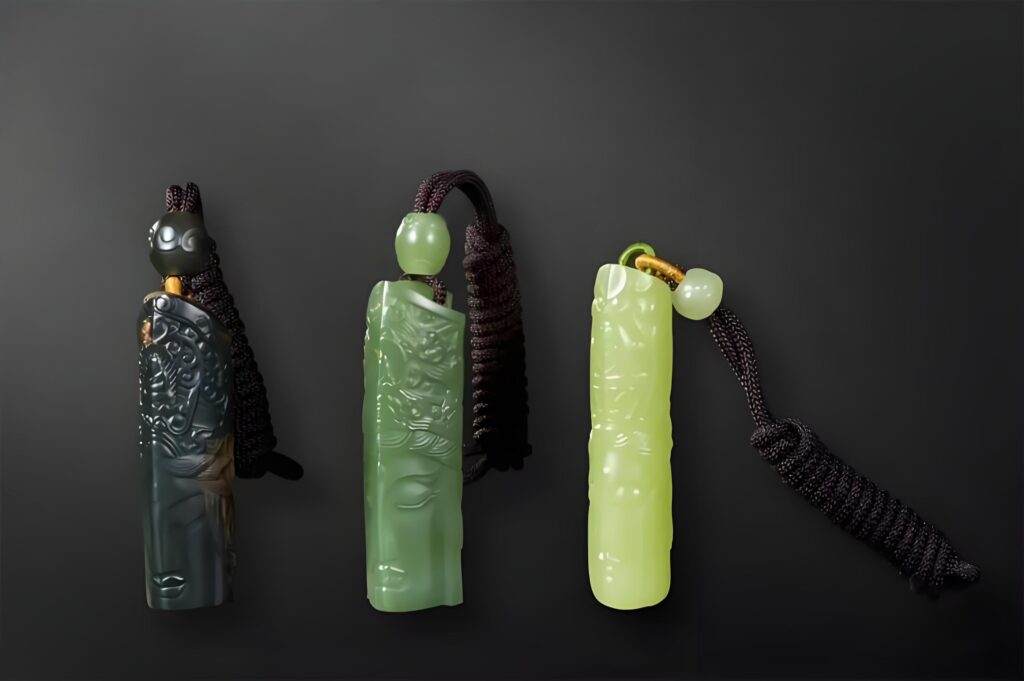
Why Jade Colors Have Meaning
In Chinese tradition, jade (玉, yù) isn’t just a gemstone — it’s a vessel of virtue. For over 8,000 years, Chinese culture has associated jade with the Confucian virtues of benevolence, righteousness, wisdom, courage, and purity. Different colors were believed to channel different energies and qualities.
This symbolism has deep roots:
- Ancient ritual jades used specific colors for ceremonies honoring heaven, earth, and the four directions
- Imperial China reserved certain jade colors for the emperor and nobility
- Traditional Chinese medicine associated jade colors with different organs and energy meridians
- Feng Shui practice uses jade colors to balance energy in homes and personal spaces
Today, even as jade has become a global jewelry trend, these color meanings continue to influence how people choose and wear their jade pendants.
Green Jade: Vitality, Growth, and Prosperity
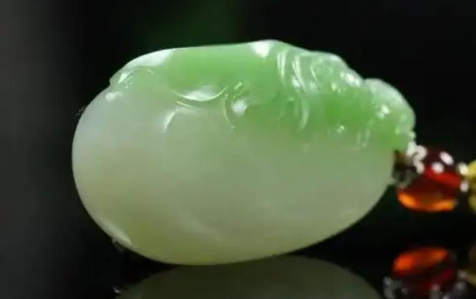
Color range: Pale celadon → vibrant emerald green → deep forest green → Imperial green
Green is the most iconic jade color and the one most people picture when they think of jade. In Chinese culture, green represents:
- Spring and renewal — new beginnings, fresh growth, youth
- Wealth and prosperity — the color of money and abundance
- Health and vitality — connected to the liver and wood element in TCM
- Harmony with nature — balance, peace, and natural flow
Who should wear green jade: Anyone seeking new beginnings, career growth, or financial prosperity. Green jade is also a traditional gift for new parents, graduates, and entrepreneurs starting a new venture.
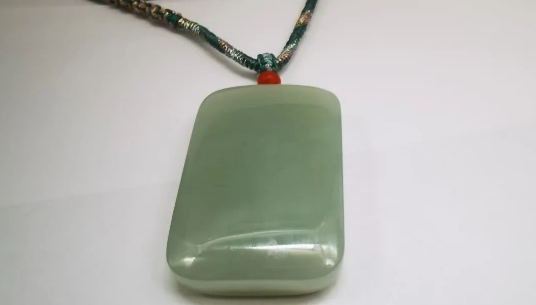
Quality note: The most valuable green is “Imperial green” (帝王绿) — a vivid, slightly bluish emerald green with high translucency, found exclusively in fine Burmese jadeite. More affordable green nephrite offers a softer, more earthy green that’s equally beautiful for everyday wear.
White Jade (Mutton Fat Jade): Purity, Peace, and Noble Character
Color range: Pure white → warm cream → slightly grayish white → “mutton fat” white (羊脂白玉)
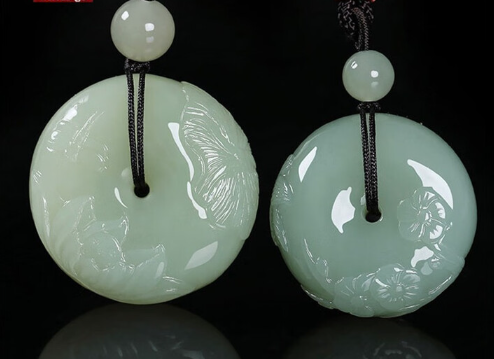
White jade, especially the creamy “mutton fat” variety from Hetian, Xinjiang, has been the most revered jade color in Chinese history. It’s what Confucius used as a metaphor for virtue. White jade symbolizes:
- Purity and innocence — untainted character, moral clarity
- Inner peace and calm — a quiet, centered mind
- Nobility and refined character — the jade of scholars and emperors
- New beginnings — a blank slate, fresh start, clean intention
Who should wear white jade: Those seeking peace of mind, clarity in decision-making, or a reminder of their highest values. White jade is a popular choice for meditation practitioners and anyone navigating a transition period in life.
Cultural note: In ancient China, white jade bi discs (璧) were used to worship heaven. The purity of white jade was seen as a bridge between the earthly and divine realms.
Lavender Jade: Spirituality, Intuition, and Grace
Color range: Pale lilac → soft lavender → deep violet-purple
Lavender jade (also called purple jade) is one of the most sought-after jadeite varieties, thanks to its ethereal, calming beauty. Its meanings include:
- Spirituality and higher consciousness — connection to the divine
- Intuition and wisdom — trusting your inner voice
- Grace and elegance — refined beauty, quiet confidence
- Emotional healing — releasing stress, finding inner balance
Who should wear lavender jade: Artists, healers, spiritual seekers, and anyone drawn to meditation and inner work. Lavender jade is also a beautiful choice for those who prefer a softer, more feminine alternative to green jade.
Quality note: Fine lavender jadeite with even color and good translucency commands high prices. The most desirable shade is a soft, dreamy lilac — not too dark, not too pale. Dushan jade also naturally contains beautiful purple tones, often blended with white or green in the same piece.
Yellow and Ochre Jade: Earth, Wealth, and Stability
Color range: Honey gold → warm amber → earthy ochre → brown
Yellow jade connects to the earth element in Chinese philosophy. It’s less common than green or white, making it a distinctive and meaningful choice. Yellow jade represents:
- Earth and stability — groundedness, reliability, practical wisdom
- Imperial power — yellow was the emperor’s color in China
- Wealth and prosperity — gold, harvest, material abundance
- Digestion and spleen health — in TCM, yellow connects to the spleen and stomach meridians
Who should wear yellow jade: Anyone seeking stability, building long-term wealth, or needing to feel more grounded. An excellent choice for people in finance, agriculture, real estate, or any earth-connected profession.
Black Jade: Protection, Strength, and Mystery
Color range: Deep charcoal → jet black → black with subtle green undertones
Black jade carries some of the most powerful protective symbolism in Chinese tradition. It represents:
- Protection and shielding — warding off negative energy and harmful influences
- Strength and resilience — inner power, facing challenges with courage
- Mystery and depth — the unknown, hidden wisdom, the subconscious
- Authority and command — black jade was worn by warriors and leaders
Who should wear black jade: Anyone in a high-pressure role, those dealing with difficult situations, or people who want to feel protected and empowered. Black jade pendants are popular among professionals in law, security, and leadership positions.
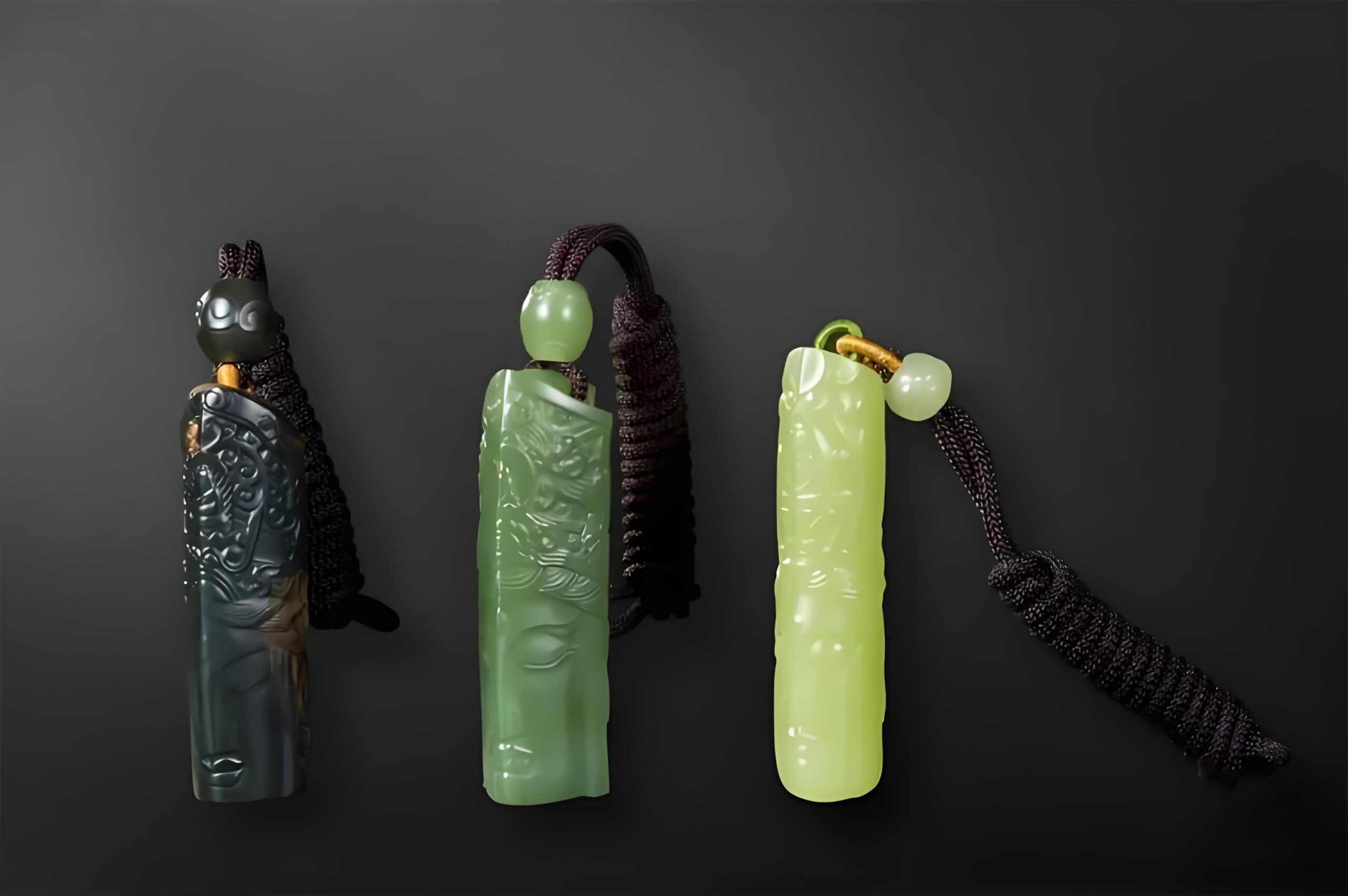
Quality note: Most black jade is nephrite with high iron content. Genuine black jade is uniformly dark with a waxy luster. Avoid pieces that look “painted black” — dyed imitations are common.
Red Jade: Passion, Vitality, and Celebration
Color range: Rusty orange-red → brick red → deep crimson
Red jade is relatively rare in nature, often resulting from iron oxide staining near the surface of jade boulders. It’s the color of celebration and life force in Chinese culture:
- Passion and love — romantic energy, deep emotional connection
- Vitality and life force — qi (energy), circulation, physical strength
- Celebration and good fortune — the color of Chinese festivals and weddings
- Courage and action — taking bold steps, moving forward fearlessly
Who should wear red jade: Those seeking to boost confidence, attract romantic love, or celebrate a major life milestone. Red jade is a traditional wedding gift in some Chinese communities.
Quality note: Naturally red jade is scarce. Be cautious of “red jade” that looks unnaturally bright — it may be heat-treated or dyed. Genuine red jade has a warm, earthy red-orange tone with subtle variations.
Multi-Color Jade: Harmony, Completeness, and Abundance
Some of the most interesting jade pieces display two or more colors naturally combined in a single stone. This is especially common in Dushan jade (独山玉), which is famous for its polychromatic character.
Multi-color jade symbolism in Chinese tradition:
- Two colors (green + purple): “Spring brings wealth” (春带彩) — new opportunities and prosperity
- Three colors: “Fu Lu Shou” (福禄寿) — fortune, prosperity, and longevity, the three greatest blessings
- Five colors: The five elements in harmony — wood, fire, earth, metal, water — representing complete balance
→ Learn more about multi-color Dushan jade from Nanyang →
How to Choose the Right Jade Color for You
There’s no “wrong” jade color — but some may resonate with you more than others. Here’s a simple framework to guide your choice:
By Intention
| Your Intention | Recommended Color |
|---|---|
| Career growth, new beginnings | Green |
| Inner peace, clarity | White |
| Spiritual growth, intuition | Lavender |
| Stability, grounding | Yellow |
| Protection, strength | Black |
| Love, passion, celebration | Red |
| Overall harmony, abundance | Multi-color |
By Gift Occasion
| Occasion | Recommended Color |
|---|---|
| Graduation | Green (new beginnings) or White (fresh start) |
| Wedding | Red (love) or Multi-color (Fu Lu Shou blessings) |
| New mother | Green (health, vitality) or White (purity, peace) |
| Birthday (elder) | Multi-color (longevity) or Green (health) |
| New job or business | Green (prosperity) or Yellow (stability) |
Frequently Asked Questions
Does the color of jade affect its value?
Absolutely. For jadeite, Imperial green is the most expensive, followed by lavender, with other colors generally lower. For nephrite, pure “mutton fat” white commands the highest prices, followed by even green tones. However, any color of jade can be valuable if it has good translucency, even color distribution, and fine texture.
Can I wear multiple jade colors together?
Yes. Many people layer jade pendants or bracelets of different colors to combine their meanings. A green + white combination is particularly popular for balancing vitality with peace. In feng shui, wearing jade colors that complement your personal element is also recommended.
How do I know if the color is natural?
Natural jade color has subtle variations and depth — it’s never perfectly flat or uniform. If a jade piece looks too perfectly and evenly colored (especially bright green or vivid red), it may be dyed. UV light testing can help reveal dyes. → Learn more about jade authenticity testing →
What about jade color meanings in Feng Shui?
In Feng Shui, jade colors correspond to the five elements: green (wood — east, family, health), red (fire — south, fame, passion), yellow (earth — center, stability, relationships), white (metal — west, creativity, children), and black (water — north, career, life path). Placing jade of the appropriate color in the corresponding Bagua area of your home is believed to enhance that aspect of life. → Explore jade Feng Shui in depth →
Find the Jade That Speaks to You
Jade color meaning isn’t just a list of symbols — it’s a personal connection. The best jade pendant is the one that resonates with your intentions, whether that’s green for a fresh start, white for inner peace, or multi-color for complete blessings.
Take your time. Look at different colors. Feel which one draws you in. In Chinese tradition, it’s often said that jade chooses its wearer — not the other way around.
→
Wondering how jade color affects price? Check out our 2026 jade price guide to see real market values for different colors and qualities.