How Much Is Real Jade Worth? Jade Price Guide 2026
You’ve found a beautiful jade pendant, but the price tags vary wildly — from $5 to $50,000. So how much is real jade actually worth? The answer depends on several key factors, and understanding them will protect you from overpaying — or from accidentally passing up a genuine treasure.
In this guide, we break down exactly how jade is priced, what separates a $50 piece from a $5,000 piece, and how to evaluate the jade you’re considering buying.
The Two Main Types of Real Jade — And Why They’re Priced Differently
Not all jade is the same stone. When you’re asking “how much is real jade worth,” the answer starts with which type of jade you mean.
Jadeite: The Rarer, More Valuable Type
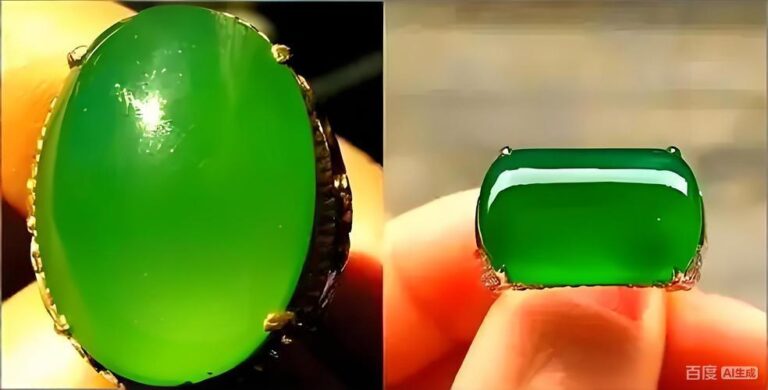
Jadeite is the rarer of the two recognized jade minerals. Fine-quality jadeite — especially “Imperial Green” with vivid, evenly distributed color and high translucency — is among the most valuable gemstones on earth. A single Imperial Green jadeite bangle can sell at auction for hundreds of thousands of dollars.
Most commercial jadeite on the market falls into three treatment grades:
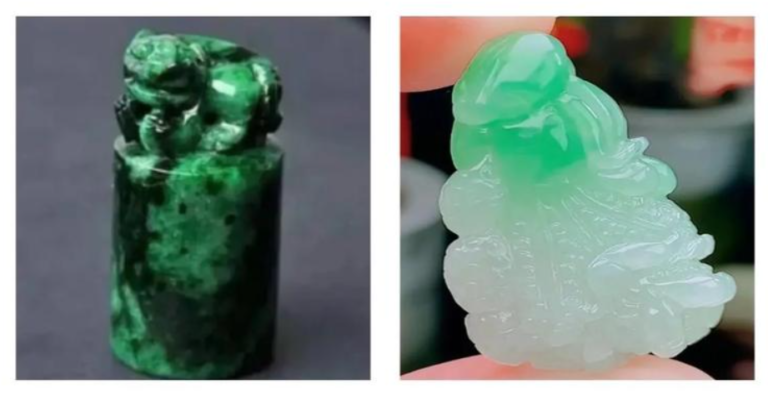
- Type A Jadeite: Completely natural, untreated. Only waxed for polish. Most valuable. Prices range from $100 to millions of dollars depending on quality.
- Type B Jadeite: Bleached with acid and resin-filled to improve appearance. Significantly less valuable. $20–$300 range typically.
- Type C Jadeite: Bleached, resin-filled, and artificially dyed. Lowest value. Usually under $50.
Nephrite: The Traditional Chinese Jade
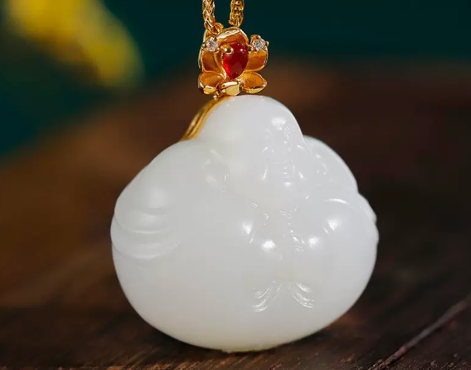
Nephrite has been the cornerstone of Chinese jade culture for over 7,000 years. Chinese nephrite ranges from common grades at $5–$50 to premium “mutton-fat” white nephrite that commands $500–$5,000+ for a pendant.
The most prized Chinese nephrite comes from Hetian (Hotan) in Xinjiang, China — particularly the river-tumbled “seed material” (籽料), which is rarer than mountain-mined material and commands significant premiums.
The 5 Factors That Determine Jade Price
1. Color
Color is the single most important factor for jadeite. The ideal jadeite color is “Imperial Green” — a vivid, intense emerald green that is evenly distributed throughout the stone with no gray or brown undertones. This color commands the highest premiums.
For nephrite, “mutton-fat white” (羊脂白) — a pure, creamy white with a smooth texture — is the pinnacle of value. Learn more about what different jade colors mean and their relative value.
Color value hierarchy for jadeite (highest to lowest):
| Color | Description | Relative Value |
|---|---|---|
| Imperial Green | Vivid emerald, even distribution | ⭐⭐⭐⭐⭐ Highest |
| Lavender | Soft purple, highly collectible | ⭐⭐⭐⭐ |
| Apple Green | Bright yellowish-green | ⭐⭐⭐⭐ |
| White/Icy | Nearly colorless, translucent | ⭐⭐⭐ |
| Yellow/Orange | Warm tones, increasingly popular | ⭐⭐⭐ |
| Black | Opaque, fashion-oriented | ⭐⭐ |
2. Translucency (Transparency)
The more light passes through jade, the higher its value. Jadeite with a glowing, glass-like translucency is described as “watery” (水头好) in Chinese jade terminology and commands far higher prices than opaque pieces of the same color.
Professional jade graders hold stones up to a light source to assess how deep the light penetrates. Even a small increase in translucency can multiply a piece’s value several times over.
3. Texture (Crystal Structure)
Jade is composed of interlocking crystal structures. The finer and more tightly packed these crystals, the smoother and more lustrous the surface appears. High-quality jade has an almost greasy or glassy surface sheen; lower grades look dull and granular.
In Chinese, this is called 种 (zhǒng) or “seed” — top-quality pieces are described as having a “fine seed” (细种) or “old seed” (老种).
4. Carving Quality and Design
For carved jade pieces, artisanship matters enormously. A master carver who has spent decades perfecting their craft can transform a mid-grade stone into a piece worth many times the raw material value.
Carving value factors include:
- Precision and sharpness of details
- How well the design uses the natural color and shape of the stone
- Cultural and symbolic depth of the motif (traditional Chinese symbols often command premiums)
- The carver’s reputation and provenance
Nanyang’s Dushan jade carving tradition spans over 5,000 years. Master Nanyang carvers can produce pieces of exceptional artistic value that command prices far above the material cost alone.
5. Size and Weight
Larger pieces of high-quality jade are exponentially rarer than small ones. A large, flawless jadeite bangle requires an unusually large and high-quality raw stone — a rarity in itself. This means price doesn’t scale linearly with size; it often scales geometrically.
Real Jade Price Ranges: What to Expect at Each Budget
Here’s a practical guide to what you can expect to find at different price points for authentic, untreated (Type A) jade pieces:
| Budget | What You Can Expect | Best For |
|---|---|---|
| $10–$50 | Small nephrite pendants, lower-grade jadeite, common colors | Casual wear, gifting, beginners |
| $50–$200 | Good-quality nephrite, mid-grade jadeite, nice carvings | Meaningful gifts, daily wear |
| $200–$1,000 | Fine nephrite, good jadeite with pleasant color, quality craftsmanship | Collectors, special occasions |
| $1,000–$10,000 | High-quality jadeite, premium Hetian nephrite, master carvings | Investment, heirlooms |
| $10,000+ | Imperial Green jadeite, top mutton-fat white nephrite, certified museum quality | Serious collectors, auctions |
Warning Signs: Why “Real Jade” Can Still Be Nearly Worthless
Here’s a critical point many buyers miss: you can buy “real jade” and still be significantly overpaying. Here’s why:
Treated Jade (Type B and C)
Jade that has been chemically bleached, resin-filled, or dyed is technically still jade — but it’s worth a fraction of natural, untreated jade. A Type B jadeite bangle that looks like a $2,000 natural piece may actually be worth $30.
Always request a gemological certificate from a recognized laboratory (GIC, GIA, or the National Gemstone Testing Center of China) before any significant purchase. The certificate will specify whether the piece is Type A (natural), Type B (treated), or Type C (dyed).
Jade Simulants and Imitations
Many stones are sold as jade but aren’t jade at all. Common imitations include serpentine, aventurine, glass, and dyed quartzite. Our complete guide to identifying real jade explains exactly how to spot these fakes with simple tests you can do at home.
Low-Quality Jade with Inflated Prices
Some sellers use impressive-sounding descriptions (“ancient jade,” “certified jade”) to justify high prices on low-quality material. Without understanding jade grading yourself or getting an independent appraisal, it’s easy to pay premium prices for common-grade stones.
How to Get a Fair Price When Buying Jade
Follow these practical steps to ensure you pay fair market value:
- Know the type: Ask specifically whether the piece is jadeite or nephrite, and whether it’s Type A, B, or C (for jadeite).
- Request certification: For any purchase over $100, ask for a gemological certificate. Reputable sellers provide these as a matter of course.
- Compare multiple sellers: Don’t buy the first piece you see. Price jade against 3–5 comparable pieces from different sources to establish a market reference.
- Buy from specialists: Dedicated jade dealers, established auction houses, or reputable online stores with transparent sourcing and return policies are safer than general jewelry stores or tourist markets.
- Factor in the origin: Hetian nephrite from Xinjiang, Imperial Green jadeite from Myanmar, and quality Dushan jade from Nanyang all carry inherent geographic value premiums. Know where your jade comes from.
Does Jade Hold Its Value?
High-quality, natural jade — particularly Imperial Green jadeite and top-grade Hetian nephrite — has shown strong long-term value appreciation. Chinese auction records consistently show record prices for exceptional pieces.
However, most commercial-grade jade does not appreciate significantly and should be purchased primarily for its beauty and personal meaning rather than as a financial investment. If investment potential is your goal, focus exclusively on certified Type A jadeite of demonstrably high quality, and work with reputable auction specialists.
FAQ: Jade Pricing Questions Answered
How can I tell if jade is real or fake?
There are several tests you can do at home, including the temperature test (real jade stays cool), scratch test, and magnification check. Read our detailed guide: How to Identify Real Jade: 7 Tests You Can Do at Home.
Is jade more expensive than gold?
Top-quality jadeite can be more expensive per gram than gold — or even diamonds. A small pendant of exceptional Imperial Green jadeite can sell for more than its weight in gold many times over. However, average-quality jade is far less expensive than gold.
Why is Chinese jade so expensive?
Several factors drive high jade prices: extreme scarcity of top-quality material (especially jadeite), the centuries of cultural significance attached to jade in Chinese civilization, the labor-intensive nature of jade carving, and growing international collector demand.
What is a fair price for a jade pendant?
For a quality, natural jade pendant for daily wear, expect to pay $50–$500. Simple nephrite pendants in common designs often start around $30–$80. Pieces with exceptional color, translucency, or artisanship — or certified jadeite — will cost significantly more.
Does where you buy jade affect the price?
Yes, significantly. Tourist markets, souvenir shops, and non-specialist retailers often charge steep premiums on low-quality jade. Specialized jade dealers, particularly those sourcing directly from producing regions in China, typically offer better quality-to-price ratios.
Final Thoughts: Jade Value Is About Knowledge
The most important thing you can invest in when buying jade is knowledge. Understanding the difference between jadeite and nephrite, knowing how to evaluate color and translucency, and recognizing the difference between natural and treated jade will protect you from the most common purchasing mistakes.
Once you understand what makes jade valuable, you’ll be able to appreciate why a $5,000 piece can genuinely be worth every penny — and why a $500 piece can be a disappointment. Start with our complete introduction to Chinese jade to build your foundation.